

Blog
Ideas on prevention, clinics, and technology in care delivery.

Digital prevention: how timely checkup reminders add years of health
Most serious complications are caught late. Follow-up technology turns the clinical record into actionable alerts before risk becomes an emergency.
Exercise and health: the habit your clinic should help sustain
Physical activity lowers cardiovascular and metabolic risk, but without clinical follow-up advice stays a pep talk. Here’s how to turn it into a measurable plan.

Diet and health: fewer nutrition fads, more preventive follow-up
Trend diets promise quick wins; preventive nutrition builds sustainable patterns and clinical checks that catch metabolic risk early.

Cancer prevention: on-time screenings and the cost of delay
Many cancers have better outcomes when found early. Follow-through is the usual gap: appointments that fade and patients who do not know a screening is due.
Latest Posts

Technology to train habits and prevent chronic disease
Wearables and apps track steps and glucose; value appears when that data feeds a clinical plan with alerts and scheduled reviews.
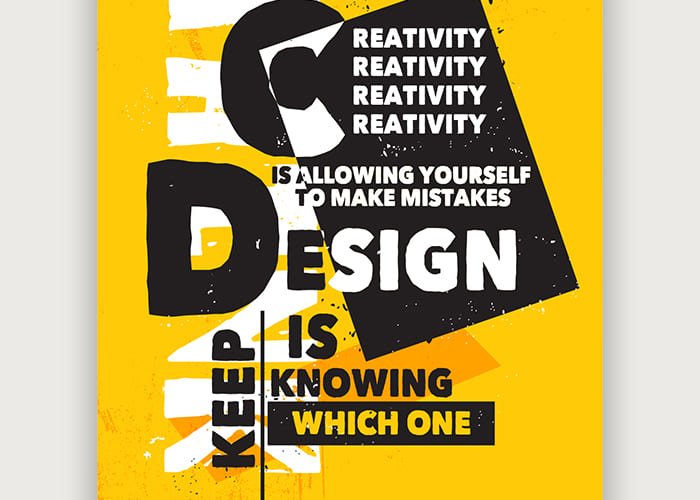
Everyday preventive health: sleep, stress, and basic checkups
Poor sleep and constant urgency raise metabolic and cardiovascular risk. Small periodic checks keep ‘normal life’ from becoming chronic disease.
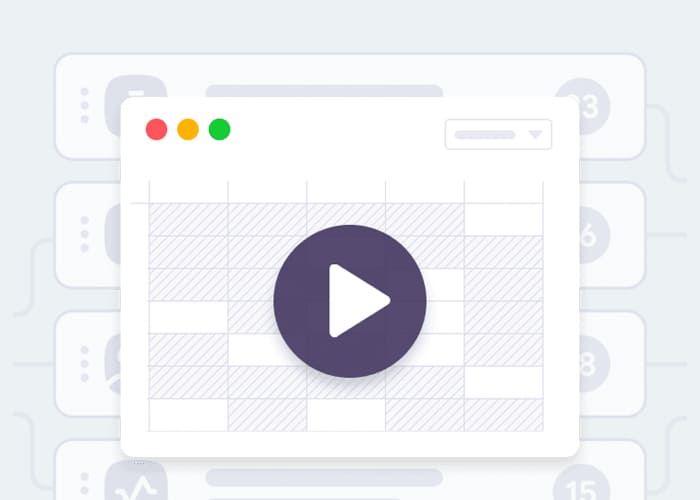
How to set up a preventive-medicine workflow in your clinic (step by step)
From spreadsheet lists to a closed loop: find risk, segment, outreach, and book. A practical guide for small teams.

More posts

The risk of skipping preventive medicine (and who pays—clinics and patients)
Without prevention, care reacts to crises. That raises costs, lowers quality of life, and leaves preventive revenue uncaptured in the clinic.

Preventive AI in the clinic: from chart history to actionable alerts
AI does not replace the clinician: it prioritizes risk from the chart and helps trigger 1:1 follow-up or campaigns while prevention is still possible.
Cancer prevention: on-time screenings and the cost of delay
Many cancers have better outcomes when found early. Follow-through is the usual gap: appointments that fade and patients who do not know a screening is due.